I. Strategy: Cafes as an Affordable Entry Point
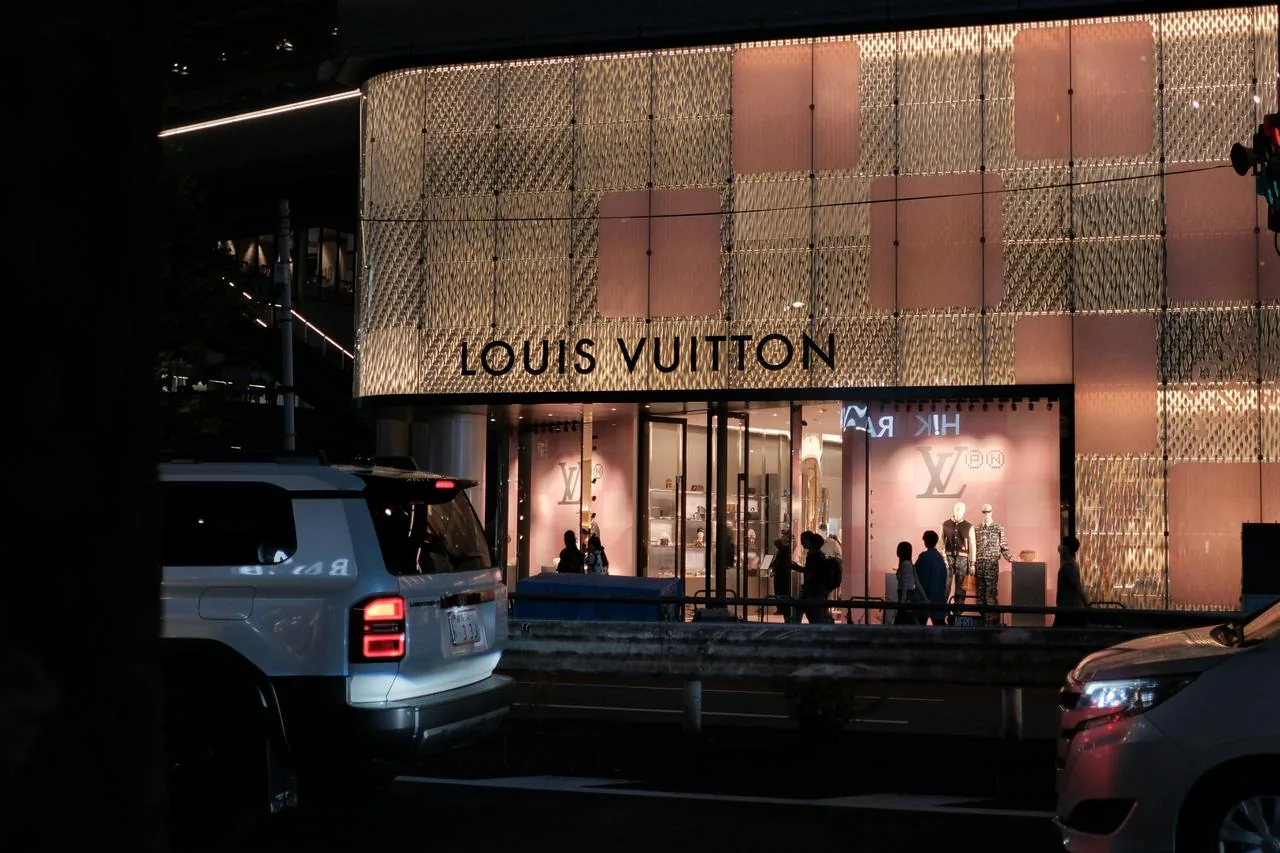
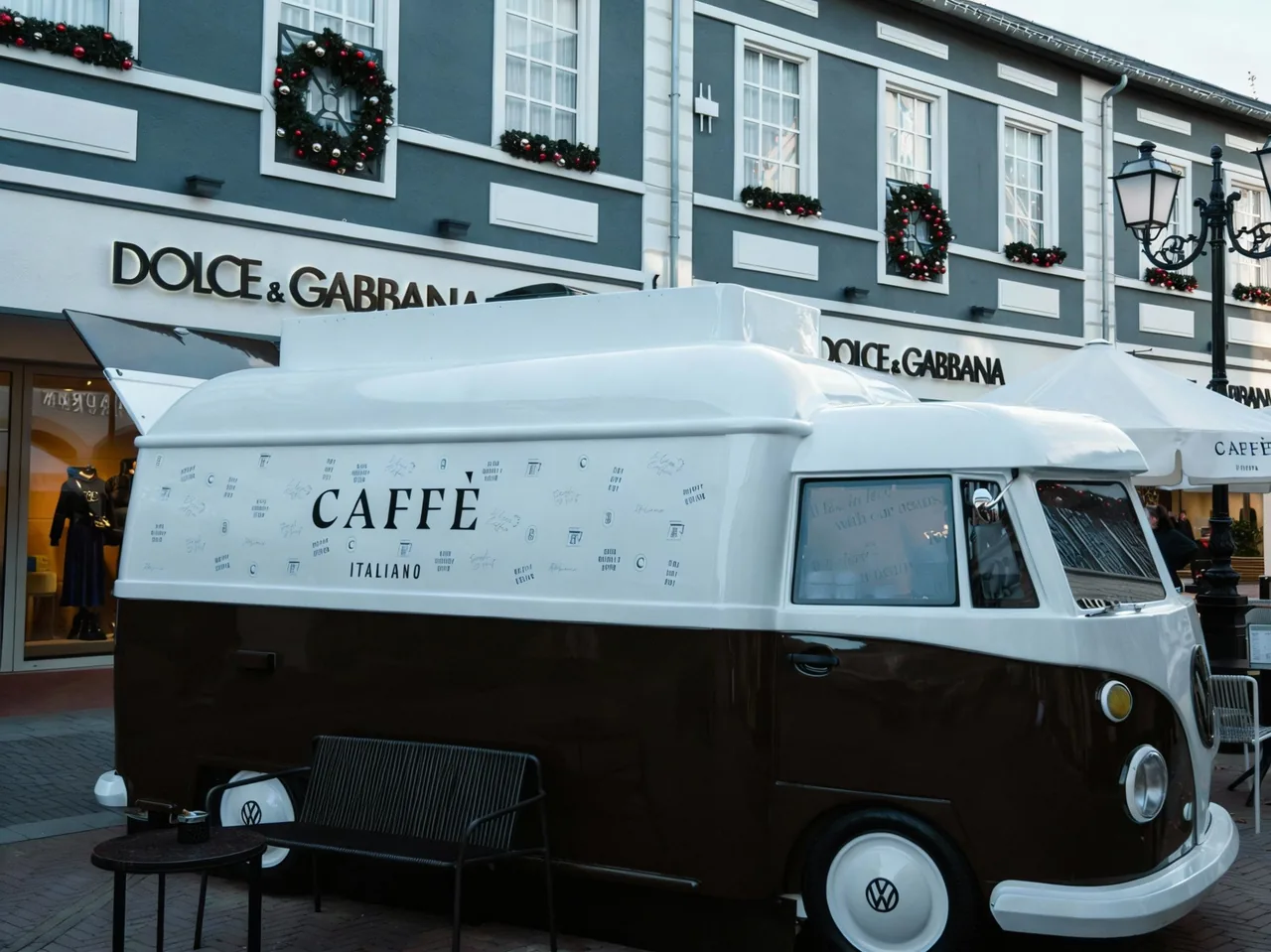
Luxury brands are using cafes to offer a low-cost experience that draws in potential customers. For example, a corduroy jacket at Ralph Lauren in Singapore costs about $693, but a vanilla latte there is only $6.90. A cappuccino at a Prada cafe, including service, is around $12. Coach, after trying various food and drink concepts in Asia, found cafes to be the best fit for its brand. They plan to open over 100 cafe locations worldwide in the next four years, and even a steakhouse at Changi Airport in Singapore.
II. Results: More Foot Traffic and Higher Sales
Todd Kahn, CEO of Coach, stated that brand cafes in busy areas can be profitable on their own. They also drive sales of their main products. Stores with cafes see a 15% to 35% increase in sales. These unique food and drink offerings also generate buzz on social media. For instance, Coach's cafe at Sentosa introduced a chili crab soft-serve ice cream with branded buns. This created free word-of-mouth marketing among younger generations online, greatly increasing brand awareness.
III. Why this trend? Dealing with slow growth and new customer needs
The high-price approach of traditional luxury brands is facing problems. Kahn said he doesn't agree with the idea of customers saving four months' salary for a handbag. Coach's main price range of $300 to $500 is more appealing to younger people. Opening cafes is not only about appealing to Gen Z but also about planning for future customers, Gen Alpha. By creating engaging experiences, luxury brands are trying to overcome slow growth and build a loyal customer base for the long term.