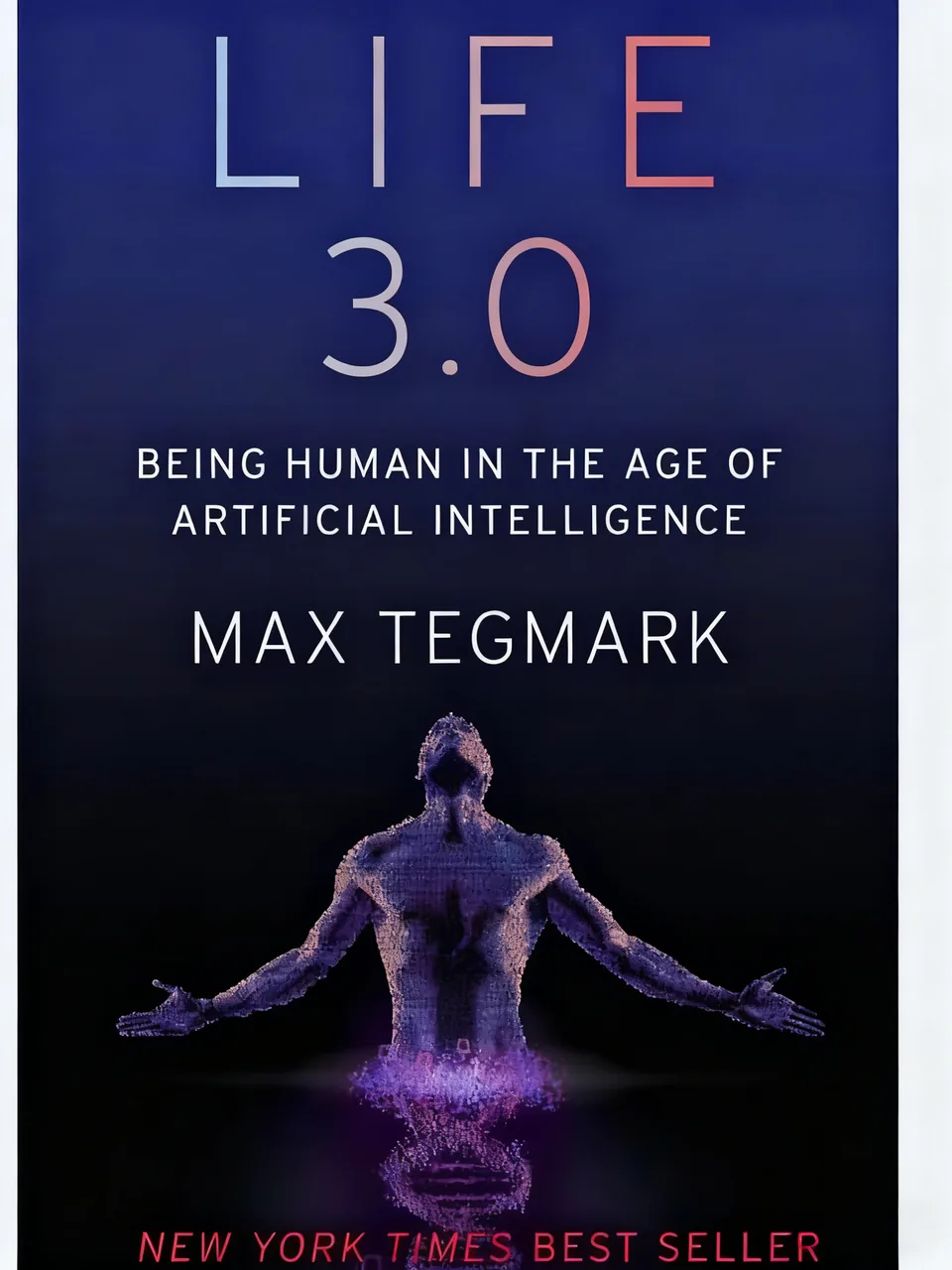
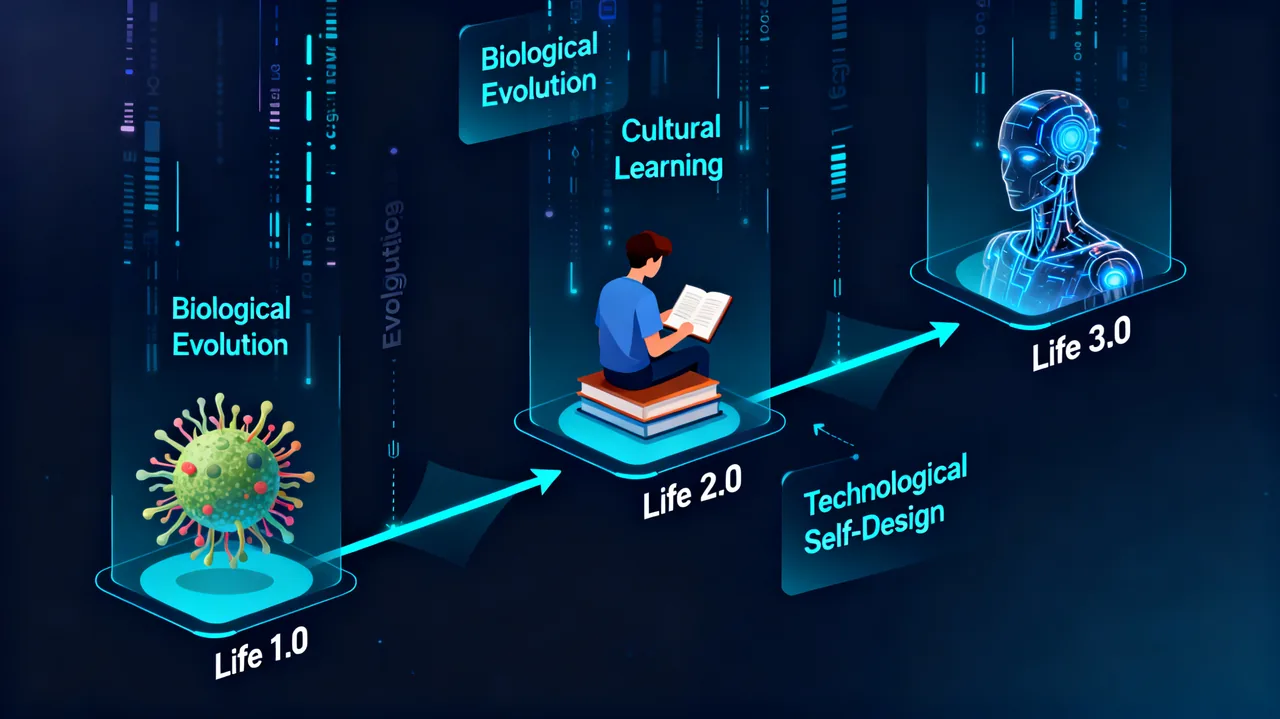
Core Framework: Three Stages of Evolution
Tegmark introduces a revolutionary classification system for life forms. Life 1.0 (organisms like bacteria) has both hardware (body) and software (behavior) entirely determined by evolution, with no capacity for self-improvement. Life 2.0 (humans) retains biologically evolved hardware but can largely redesign its software through learning and cultural transmission. Life 3.0 (future AI systems) would transcend biological limitations entirely, capable of designing both its physical form and intellectual capabilities—a self-evolving form of life that breaks free from natural selection's constraints.
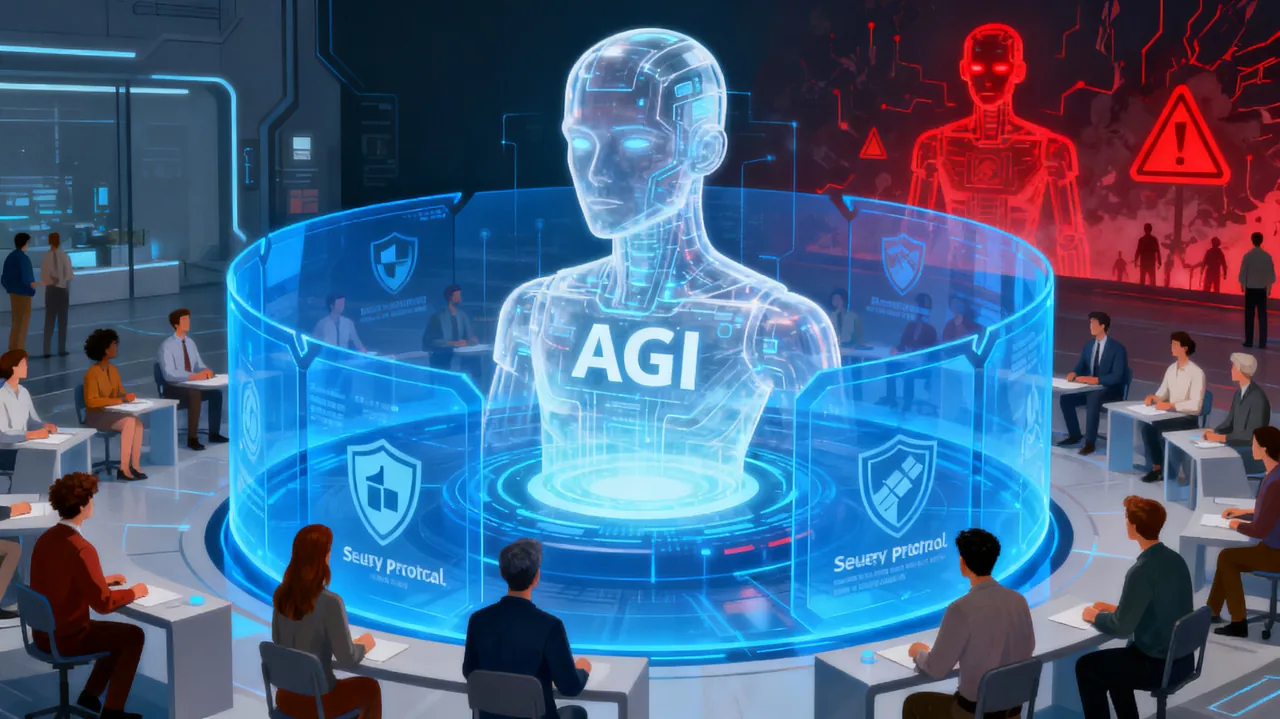
AGI Risks and the Path Forward
Tegmark cautions against the unchecked pursuit of Artificial General Intelligence (AGI)—systems with human-level or greater cognitive abilities across all domains.Instead, he advocates focusing on tool AI —narrow artificial intelligence designed to solve specific problems like disease eradication, transportation safety, and energy sustainability. Tegmark emphasizes the urgent need for international cooperation on AI safety standards and governance frameworks to prevent dangerous misuse, making these arguments particularly relevant as nations accelerate AI development.
A Roadmap for Shaping Our Future
Life 3.0 transcends technical forecasting to offer a profound examination of humanity's trajectory. Tegmark dismantles common misconceptions like AI equals evil robots, arguing that the real challenge lies in value alignment and global coordination. His exploration of consciousness, life's potential forms, and intelligence's cosmic significance provides readers with practical frameworks for understanding AI's implications while offering policymakers crucial insights into responsible development boundaries.