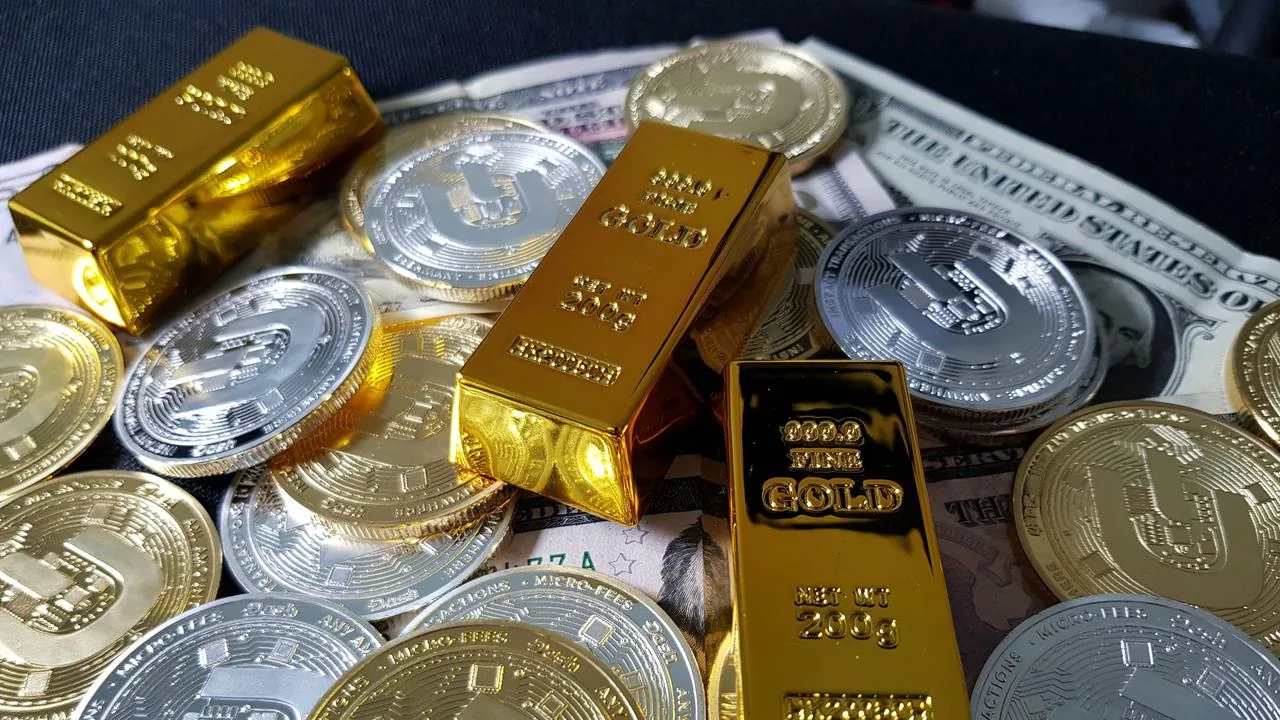
Why Precious Metals Are Regaining Momentum
One of the strongest tailwinds for precious metals has been the outlook for lower real interest rates. As rate-cut expectations build, the opportunity cost of holding non-yielding assets like gold and silver declines. At the same time, geopolitical risks and concerns about long-term fiscal sustainability have reinforced gold’s appeal as a store of value. Central bank demand has also played a role, supporting prices amid broader uncertainty around currencies and global reserves. Silver has benefited from many of the same forces, while also drawing support from its industrial applications, particularly in energy transition technologies.
Gold vs. Silver: Different Roles for Investors
Gold remains primarily a defensive asset. It is widely used as a hedge against macroeconomic instability, currency weakness, and systemic risk. Its lower volatility relative to silver makes it a core holding for investors seeking portfolio insurance. Silver, by contrast, tends to exhibit greater price swings. In addition to its monetary characteristics, it is tied more closely to industrial demand, making it sensitive to economic cycles. This dual role can amplify gains during periods of expansion—but also deepen pullbacks during downturns. For investors, distinction matters. Gold often anchors a portfolio, while silver functions as a higher-risk, higher-volatility complement
Risks and Portfolio Considerations
Despite their renewed appeal, precious metals are not without risk. They generate no income, and prices can be volatile, particularly when market sentiment shifts quickly. A strengthening dollar or a resurgence in real yields could weigh on prices, while speculative positioning can amplify short-term moves. As a result, many portfolio managers view gold and silver as strategic diversifiers rather than directional bets. In a world marked by policy shifts and uncertainty, precious metals are once again part of the investment conversation—not as a cure-all, but as a tool for balance.