What the Fed’s Shift Signals for Markets
The Fed is cutting rates because it feels better about inflation calming down and the economy slowing a bit. Even though they say they're being careful, the market sees this as a sign that the toughest part of their policy is over. Bond markets reacted first, with people expecting lower rates for the long haul. But economic news still makes the market jumpy, showing that we're not totally sure how fast things will ease up. For stocks, this means less worry about the Fed tightening things up even more, but it also brings up new questions about how strong growth will be by 2026.

Winners and Losers in a Lower-Rate Environment
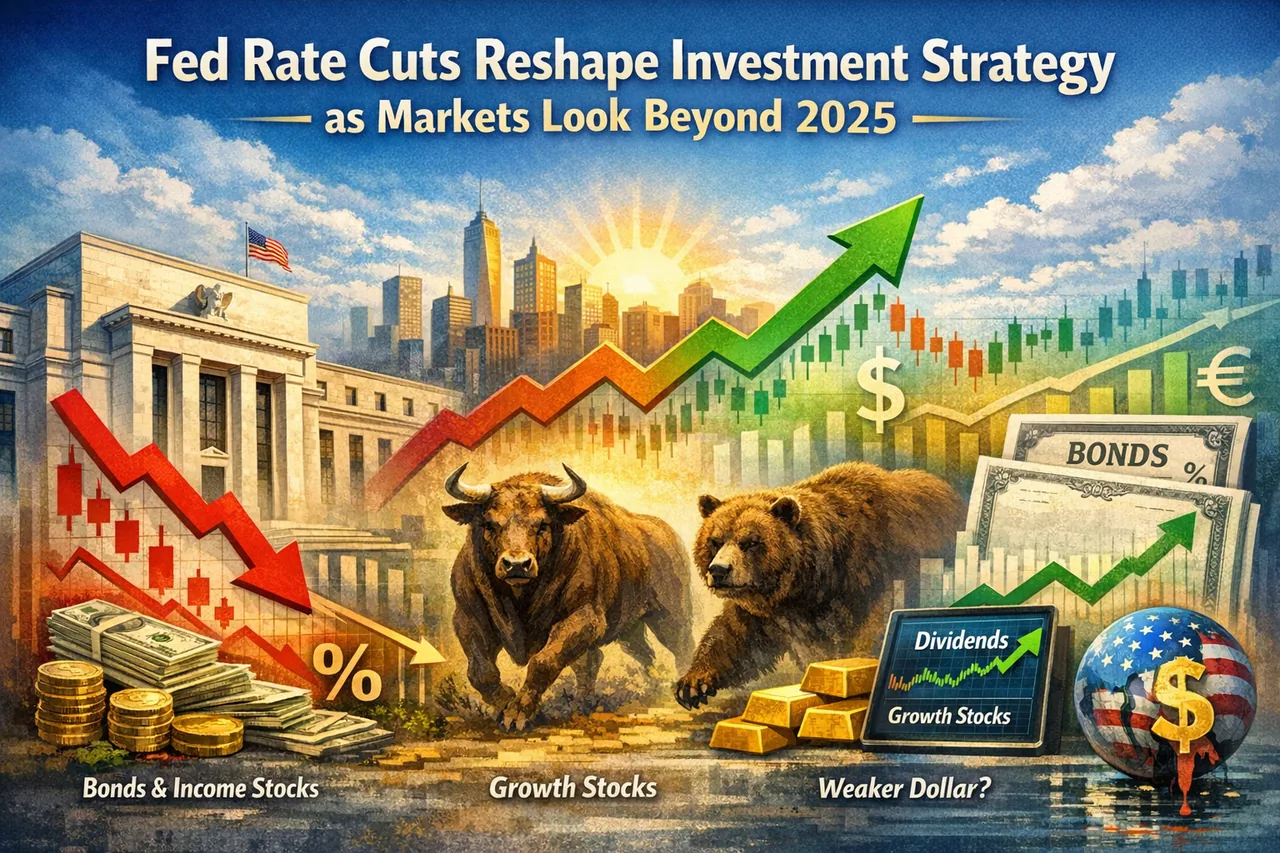
Things that are affected by interest rates tend to do well when rates go down. Bonds, especially long-term ones, should do better as yields settle or decrease. Stocks that pay dividends and companies with steady cash flow are also looking good to investors who want income.Growth stocks, especially those valued a lot on what they might earn in the future, could get a boost as borrowing costs fall. But how well they do will really depend on the company itself, not just the overall rate changes. On the flip side, strategies that rely on having a lot of cash won't earn as much as rates go down. The US dollar might also struggle if interest rate differences get smaller, which would affect investments tied to currencies.
What Investors Are Watching Next
Even with the change in policy, there's still a lot of unknown. Investors are keeping a close eye on jobs, inflation, and what the Fed says to figure out where rates will end and if there will be any breaks in the cuts. There's also a risk that markets are getting ahead of the Fed. If the economy picks up again or inflation stays stubborn, then expectations for quick rate cuts could be challenged. For now, the Fed's pivot has changed investing talk. The focus is moving from playing it safe to figuring out how to set up portfolios for a world where money isn't as expensive, but economic dangers haven't disappeared.